UK Sports Betting Survey Highlights 2026 Plans and Regional Differences
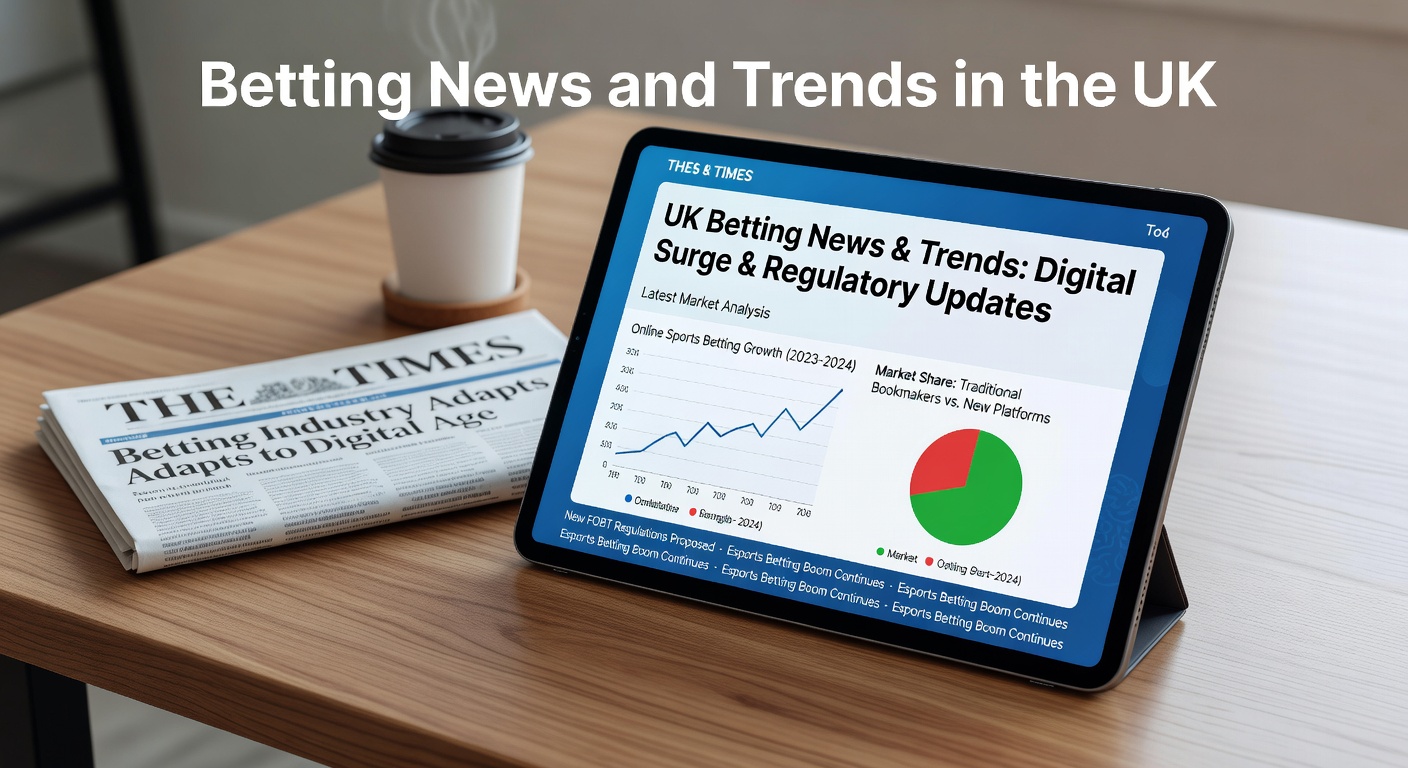
OLBG partnered with YouGov to conduct a survey that examined UK adults' sports betting plans and behaviors for 2026, and the results provide a clear snapshot of participation levels along with event preferences that stand out across different parts of the country.
The data indicates that 18% of UK adults plan to place a sports bet during the year ahead, while Northern Ireland shows the highest regional rate at 26% participation. Observers note how these figures establish a baseline for tracking trends as the calendar moves forward, and the survey breaks down interest in specific events that draw the most attention from bettors.
Overall Participation Rates Across the UK
Survey responses reveal that nearly one in five adults across the nation intend to engage in sports betting activities in 2026, which researchers compiled through a structured partnership between OLBG and YouGov. This overall rate sits alongside variations by region, and the figures come from direct polling that captures stated intentions rather than completed wagers. Those who've reviewed the methodology point out that such surveys often serve as early indicators for industry observers who monitor consumer behavior shifts over time.
Participation does not occur uniformly, as evidenced by the standout position of Northern Ireland where 26% of adults report plans to bet on sports. This regional lead exceeds the national average by a noticeable margin, and the survey positions it as the highest among areas examined. Experts have observed similar patterns in past data collections where certain locales demonstrate elevated engagement based on local event calendars and cultural factors tied to particular sports.
Top Events Driving Betting Interest
The Grand National emerges as the leading event with 51% of those planning to bet selecting it as their focus, which underscores its consistent draw within the horse racing calendar. Respondents ranked this steeplechase ahead of other fixtures, and the percentage reflects stated intentions collected during the polling process. Data shows how such marquee races concentrate betting activity around specific dates, creating predictable spikes that align with broadcast coverage and public awareness campaigns.
The FIFA World Cup ranks as the most anticipated event overall, with 34% of survey participants expressing interest in placing wagers around the tournament. This global competition draws attention from a broad audience, and the interest level surpasses other international fixtures mentioned in teh responses. Researchers compiled these rankings by asking participants to identify events they expect to follow closely, which provides context for how major tournaments influence annual betting patterns.
Additional events appear in the data but trail these two leaders, and the survey structure allowed respondents to select multiple options where applicable. The results highlight a mix of domestic horse racing traditions and international football competitions that together shape the year's betting landscape. Those who've studied similar reports note that event anticipation often correlates with media exposure levels leading up to the dates in question.
Behavioral Insights from the Survey Responses
Responses also touch on broader behaviors, including how adults approach their betting decisions around major fixtures. The partnership between OLBG and YouGov collected details on planning habits, and these elements help frame the participation percentages within everyday routines. Data indicates that many respondents align their activity with well-known events rather than spreading wagers evenly throughout the year.
Regional breakdowns extend beyond Northern Ireland to show how other parts of the UK compare, though the survey emphasizes the lead held by that area. Participation rates reflect self-reported plans, which means they capture forward-looking intentions as the 2026 calendar approaches. The figures establish reference points that industry analysts can use when evaluating shifts in consumer engagement over successive periods.
Conclusion
The OLBG and YouGov survey delivers specific measurements of UK sports betting plans for 2026, with the 18% national figure, Northern Ireland's 26% rate, Grand National interest at 51%, and FIFA World Cup anticipation at 34% forming the core takeaways. These findings, detailed further in the survey findings, offer a factual basis for understanding event-driven behaviors without projecting outcomes. The data stands as a documented record from the partnership that researchers and observers can reference directly as the year progresses.