Synchronizing platform incentives with injury alerts and trainer streaks to refine multi-leg wagers spanning pitches and courts
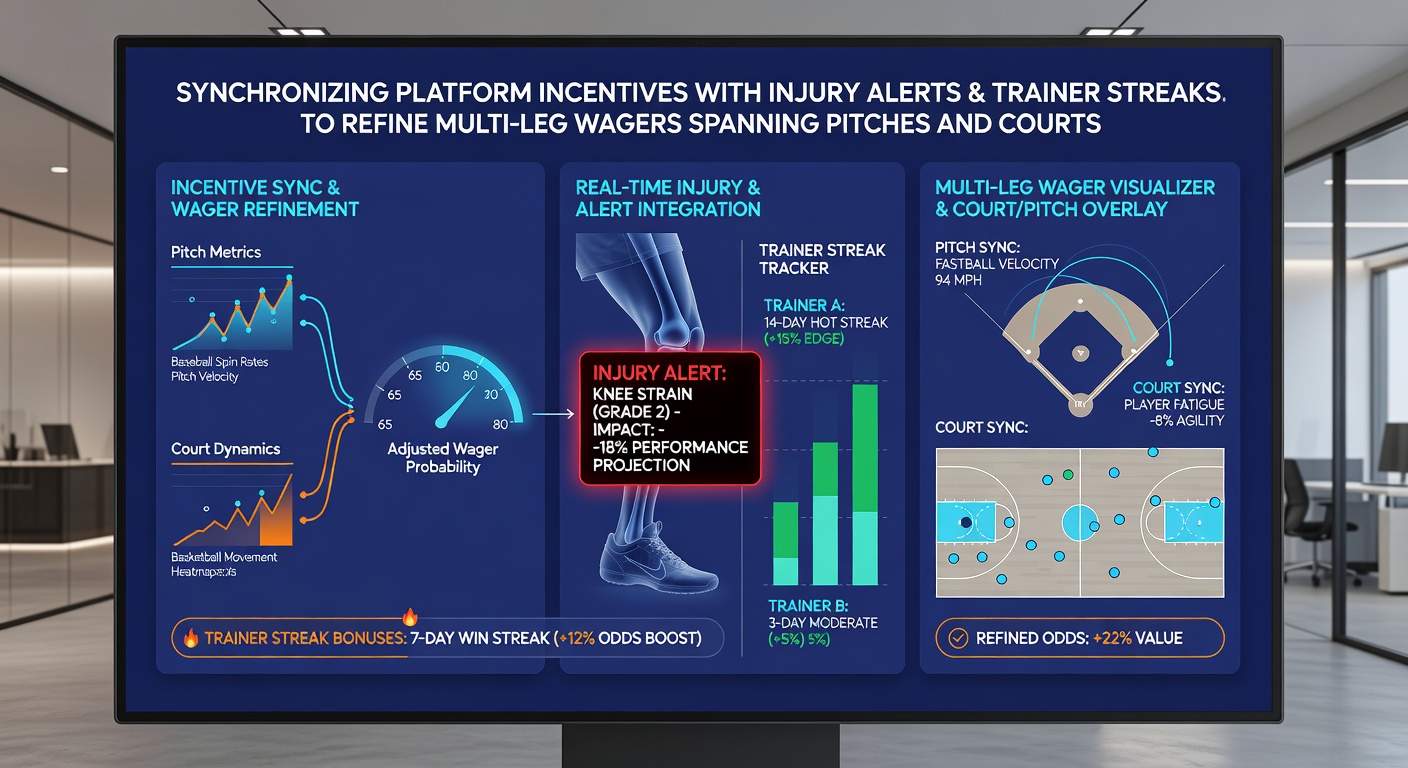
Betting platforms have started aligning their promotional structures with live data feeds that track player injuries alongside trainer performance patterns, and this integration helps users adjust multi-leg wagers that cover football on pitches as well as tennis on courts. Observers note how these synchronized systems pull real-time alerts from medical reports while layering in historical streak information, which allows bettors to recalibrate selections before matches begin or during live play. Data from industry reports shows that operators who connect bonus offers directly to such inputs see measurable shifts in wager composition, particularly when incentives reward adjustments based on verified updates rather than static odds alone.
Core Components of Cross-Sport Multi-Leg Structures
Multi-leg wagers that span different surfaces combine selections from football matches, where pitch conditions influence player availability, with tennis contests that rely on court-specific performance metrics. Researchers at institutions focused on sports analytics have documented how injury alerts feed into these combinations by flagging last-minute roster changes that affect goal-scoring probabilities or set-winning percentages. Trainer streaks add another layer because consistent preparation records correlate with improved outcomes in both sports, and platforms now surface this data alongside deposit-match offers or free bet triggers that activate only after users review the combined indicators.
One study released through the University of Nevada gaming research group revealed patterns where synchronized incentives led to higher engagement with diversified accumulators rather than single-sport bets. The same work highlighted how alerts about hamstring issues in football squads or wrist concerns in tennis players prompt immediate stake redistribution across legs, which keeps overall exposure aligned with updated probabilities. Platforms achieve this by routing notifications through the same interface that displays current bonus eligibility, creating a workflow that links data points directly to reward mechanics.
Injury Alerts as Decision Filters in Accumulator Building
Injury alerts function as dynamic filters that recalibrate expected value across multiple legs, especially when a key defender misses a football fixture or a top seed withdraws from a tennis draw. These notifications arrive through official league channels and medical disclosures, then integrate with platform dashboards that flag affected odds movements. Experts have observed that users who incorporate these alerts early tend to shift legs toward less impacted markets, such as substituting a goal-scorer selection with an over/under total that accounts for altered team tactics. This process becomes more effective when platforms tie bonus releases to confirmation that the bettor has acknowledged the alert within the wager builder tool.
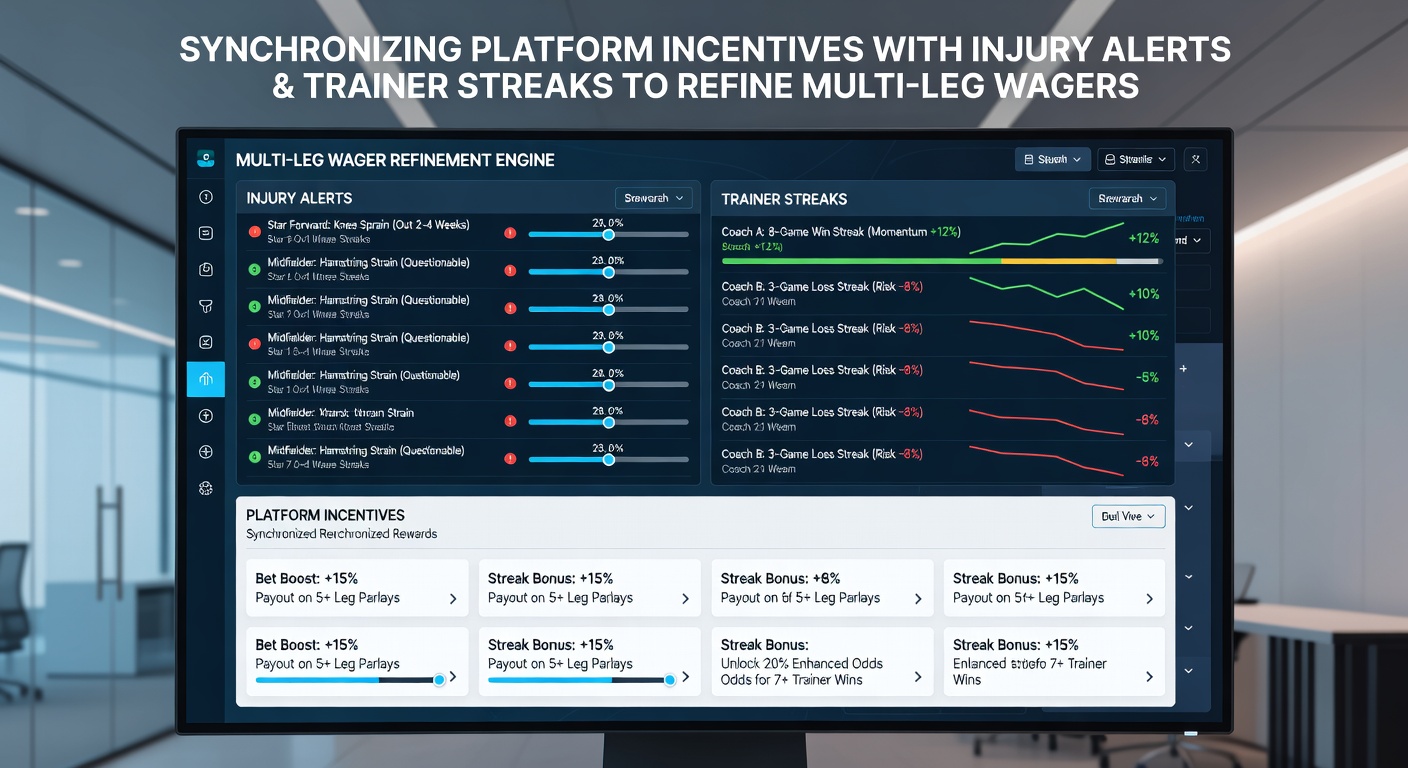
Platforms that began testing this synchronization ahead of the 2026 season reported smoother user flows, particularly around May 2026 when several operators updated their mobile applications to include automated streak counters next to injury flags. The updates allow a bettor to see, for example, that a football trainer's recent five-match preparation success rate pairs with an alert about an opposing midfielder's fitness concern, prompting a leg swap that preserves the overall accumulator structure while qualifying for an enhanced payout multiplier.
Trainer Streaks and Their Integration with Incentive Triggers
Trainer streaks provide historical context that complements real-time injury data, since preparation consistency often predicts how teams or players respond to setbacks. Statistical models from European sports performance centers indicate that streaks exceeding four consecutive events correlate with reduced variance in match outcomes across both pitch-based and court-based disciplines. When platforms link these streaks to incentive programs, users receive targeted offers that reward inclusion of streak-supported selections in multi-leg formats. This approach avoids blanket promotions and instead activates bonuses only after the system confirms the streak data has been reviewed alongside any active injury notifications.
Those who have examined operator reports note that such targeted synchronization reduces instances of mismatched wagers where bettors overlook preparation trends. In practice, a football accumulator leg might highlight a trainer's strong record against certain formations, while a tennis leg shows the same trainer's influence on recovery protocols following minor injuries, allowing seamless movement between the two sports within one wager ticket.
Platform Mechanics for Real-Time Synchronization
Modern betting interfaces achieve synchronization by merging application programming interfaces from league medical units with proprietary streak-tracking modules and the backend systems that manage promotional codes. This technical setup enables automatic adjustment of bonus terms when new information appears, such as an updated fitness report that alters the risk profile of an existing accumulator. Industry analyses from Australian wagering research bodies confirm that operators employing these connections experience steadier user retention during volatile periods like mid-season injury waves. The mechanics also support compliance features that log user acknowledgments of alerts before incentive claims process.
During May 2026 several platforms expanded these capabilities to include court-surface specific filters for tennis events, pairing them with pitch-condition trackers for football. The result appears in user dashboards where a single screen displays injury flags, streak metrics, and the exact bonus increment available once the multi-leg wager incorporates the refined selections.
Conclusion
Integration of platform incentives with injury alerts and trainer streaks continues to shape how multi-leg wagers across pitches and courts are constructed and adjusted. Observers continue to track adoption rates as more operators refine their data pipelines ahead of upcoming seasons. This ongoing development supports more precise alignment between available information and reward structures without requiring separate navigation between tools.