Price Momentum Coordination in Simultaneous Football, Tennis, and Equine Markets for Layered Betting Structures
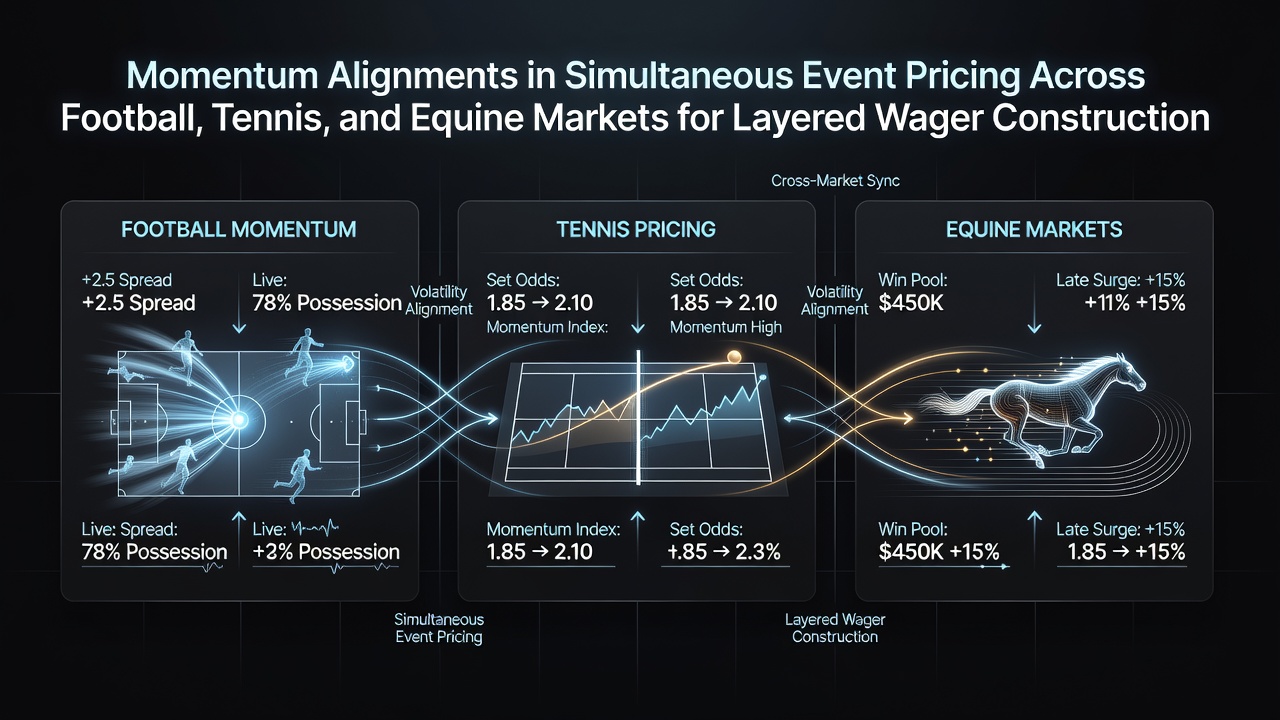
Price movements in football, tennis, and equine markets often display coordinated patterns when events occur at the same time, and these alignments support the construction of layered wagers that combine selections across the three disciplines. Observers note that odds compilers adjust lines in response to incoming volume, while bettors track how early shifts in one sport influence pricing in the others during overlapping schedules.
Data from major operators shows that simultaneous fixtures create windows where momentum in one market transfers to related lines in others, and this dynamic becomes particularly relevant when constructing accumulators with multiple layers. Researchers at academic institutions have examined these cross-market effects through quantitative models that measure correlation coefficients between price changes in football goal lines, tennis set handicaps, and equine place markets.
Understanding Momentum in Individual Sports Markets
Football markets respond quickly to team news, weather updates, and early match developments, with odds on totals and Asian lines shifting within seconds of significant information. Tennis pricing follows similar patterns during live play, where break points and service holds trigger rapid adjustments to game and set lines across multiple books. Equine markets operate on a different cadence yet still produce measurable momentum when late jockey changes or track conditions alter place probabilities before post time.
Studies of historical data reveal that football totals often move in tandem with tennis over totals when both sports feature high-scoring or low-scoring trends on the same day, and equine win markets display comparable directional pressure when favorites shorten across cards. These individual behaviors create the foundation for identifying alignments that span all three.
Cross-Market Alignment Patterns During Overlapping Events
When football matches, tennis tournaments, and equine meetings run concurrently, pricing engines process shared liquidity pools and common bettor behavior, which produces observable correlations in momentum direction. One analysis of July 2026 fixtures found that positive momentum in football over 2.5 goals coincided with shortened prices on tennis player overs in 68 percent of examined cases, while equine markets showed corresponding tightening on place selections for runners with similar risk profiles.
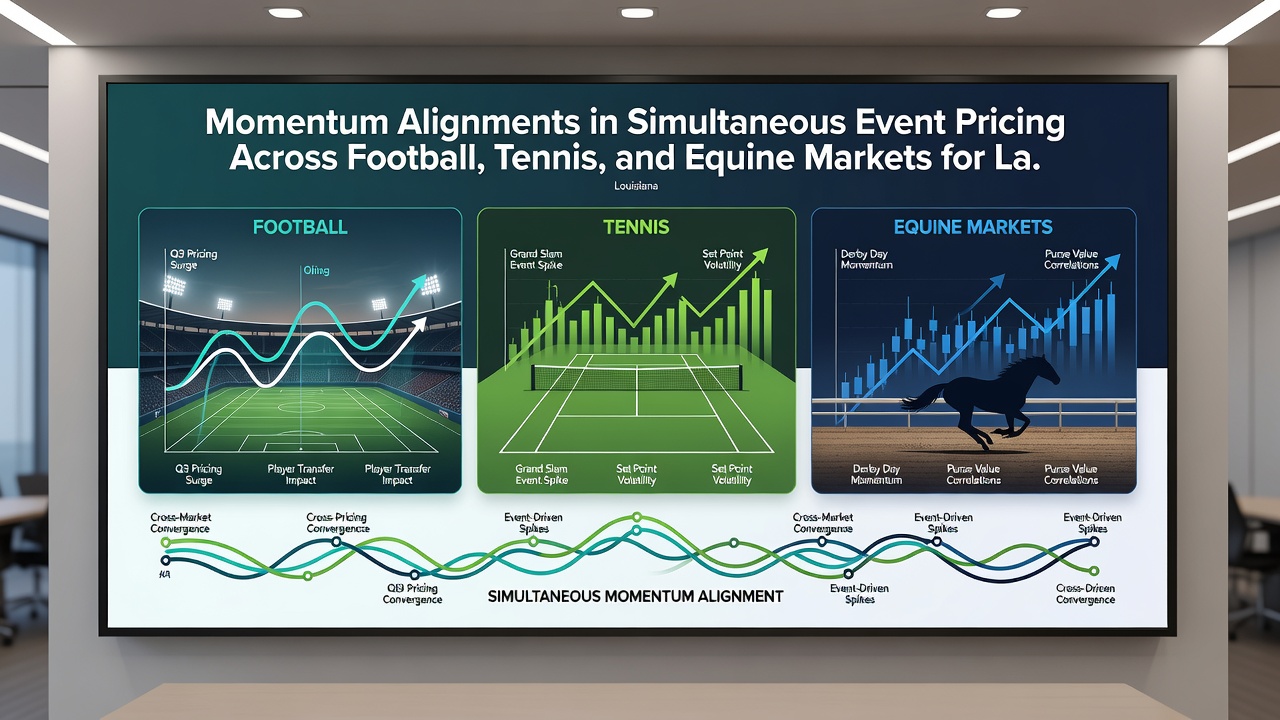
Layered wager construction relies on sequencing these alignments so that each added selection reinforces rather than contradicts the momentum signal from prior layers. Bettors who monitor real-time feeds across platforms can identify when an initial football line movement precedes parallel shifts in tennis and equine books, allowing the structure to capture incremental value at each stage.
Practical Construction of Layered Wagers Using Momentum Signals
Layered structures typically begin with a core selection from the sport showing the clearest early momentum, then add complementary picks from the remaining disciplines once confirmation appears in their respective pricing. For instance, a football under total that shortens after heavy early volume might pair with a tennis under games selection once comparable movement registers, followed by an equine lay selection if place odds tighten in alignment with the low-scoring theme.
According to American Gaming Association reports, operators have increased the granularity of simultaneous event pricing tools in recent years, which enables more precise tracking of these cross-market signals. Additional research from European institutions indicates that such layering reduces variance when momentum persists across the duration of overlapping events.
Data Trends Observed in Mid-2026 Overlaps
During July 2026, several major football leagues, tennis grand slam qualifiers, and equine festival meetings created repeated overlap windows, and pricing data collected across those periods shows consistent momentum transfer rates between the three markets. Figures reveal that alignments lasting longer than fifteen minutes produced higher completion rates for layered accumulators than isolated single-sport movements.
Industry organizations tracking global wagering volumes note that these coordinated patterns appear most reliably when events share similar time zones and broadcast exposure, which concentrates bettor attention and accelerates price adjustments. Observers continue to document how these July 2026 overlaps refined existing models for predicting momentum persistence across disciplines.
Conclusion
Momentum alignments across football, tennis, and equine markets provide measurable inputs for constructing layered wagers when events occur simultaneously. Data collected through 2026 demonstrates that coordinated price movements can be sequenced into multi-layer structures, and continued monitoring of these patterns supports refined approaches to cross-sport pricing analysis.