Integrating Track Variants, Court Dynamics, and Pitch Shifts Through Data Pipelines for Layered Wager Refinements
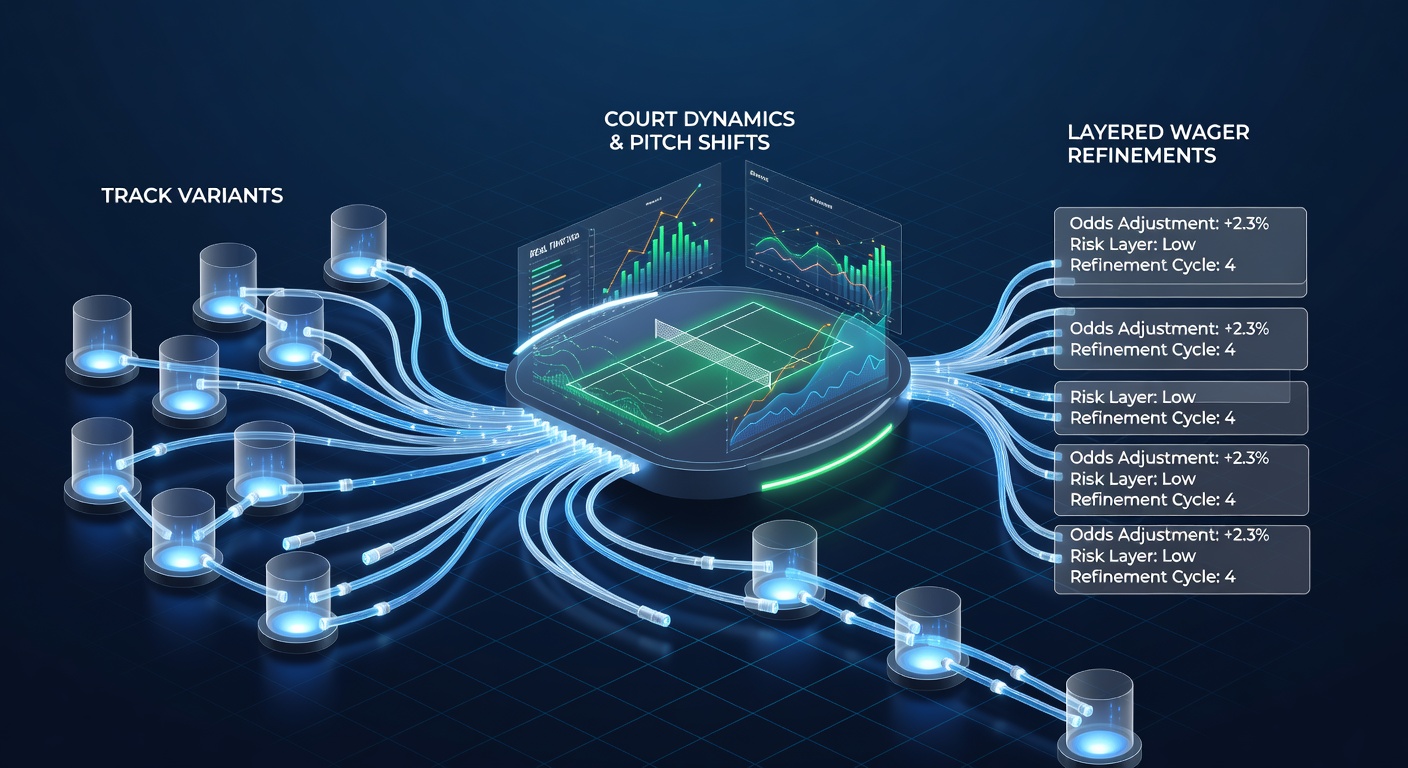
Data pipelines now connect variables from horse racing tracks, tennis courts, and football pitches to support layered wager refinements across multiple sports, and these systems aggregate real-time inputs such as ground conditions, surface speeds, and turf quality into unified models that adjust accumulator structures.
Track Variants in Horse Racing Data Streams
Horse racing data pipelines capture track variants including going reports, rail positions, and moisture levels that shift throughout race days, while analysts feed these details into algorithms that recalibrate odds for individual runners and entire fields; researchers at institutions tracking equine performance note that pipelines process updates from sensors embedded in racing surfaces to flag when a course dries out or softens between meetings.
Systems link these track metrics directly to trainer and jockey statistics, which allows operators to refine multi-leg bets by weighting selections according to historical performance under similar conditions, and figures from industry reports indicate that such integrations have expanded since 2024 as more venues install automated monitoring equipment.
Court Dynamics Captured in Tennis Analytics
Tennis court dynamics enter the same pipelines through measurements of surface friction, ball bounce rates, and temperature effects on playing speed, where data streams from major tournaments update models every few minutes during matches; observers tracking professional circuits report that variables like court altitude and humidity influence serve percentages and rally lengths in measurable ways that pipelines translate into adjusted probabilities for set and match outcomes.
These court inputs combine with player-specific trends such as recent form on particular surfaces, and the resulting datasets help refine wager layers that pair tennis results with other sports selections in accumulator formats.
Pitch Shifts and Football Condition Monitoring
Football pitch shifts involve changes in grass length, watering schedules, and weather impacts that alter ball roll and player movement patterns, with pipelines incorporating satellite imagery and on-site sensor readings to quantify these factors before and during fixtures; data from European leagues shows that pitch quality variations correlate with goal-scoring rates and defensive metrics across different venues.
Operators integrate pitch condition feeds with team injury reports and tactical adjustments, which creates layered wager models that account for how these elements interact with selections from horse racing and tennis events.
Linking the Three Domains in Unified Pipelines
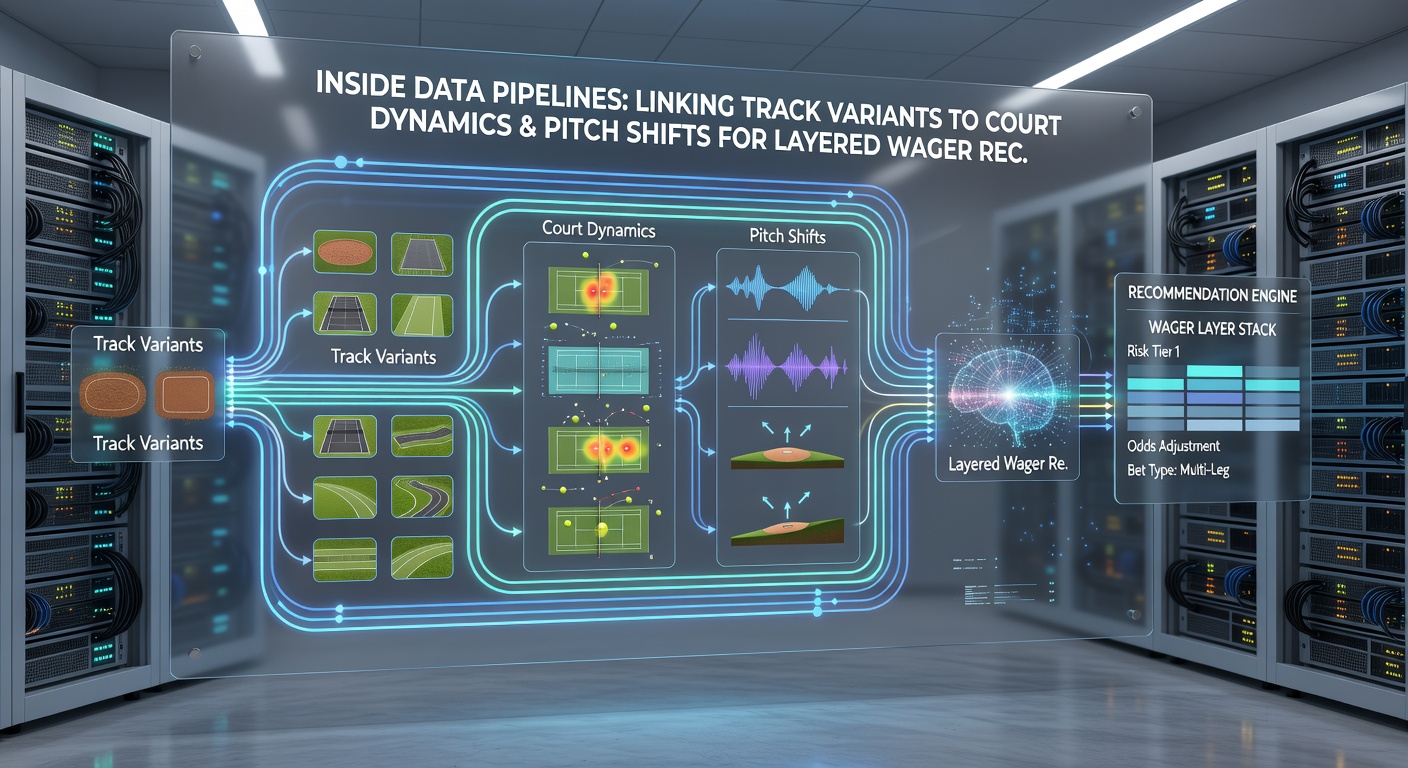
Unified pipelines merge track variants, court dynamics, and pitch shifts by standardizing data formats from disparate sources and applying machine learning layers that identify correlations across sports, for instance when heavy ground at a racecourse coincides with slower court speeds at a tennis venue and softer pitches in football matches; such alignments allow operators to adjust payout structures on accumulators that span all three disciplines.
Processing occurs through cloud-based platforms that ingest live feeds from timing systems, weather stations, and venue reports, while validation steps cross-check outputs against historical datasets to maintain accuracy during rapid market movements.
Refinements in Layered Wager Construction
Layered wager refinements emerge when pipelines apply weighted adjustments to accumulator legs based on the combined environmental data, and operators can then modify stake distributions or leg ordering to reflect updated probabilities; in June 2026 several platforms expanded these capabilities by incorporating additional sensor networks at major venues across multiple continents.
Examples include models that downgrade selections when track variants indicate slower times at the same moment court dynamics favor baseline players and pitch shifts reduce scoring potential in concurrent football games, and such refinements draw from aggregated statistics maintained by international sports data consortia.
Technical Architecture Behind the Pipelines
Technical architecture relies on event-driven architectures that trigger updates whenever new data arrives from any of the monitored domains, with APIs connecting venue operators to central processing hubs; according to documentation from the American Gaming Association, these systems handle millions of data points daily across integrated betting markets.
Security protocols encrypt transmissions between sources and analytical engines, and redundancy measures ensure continuous operation during peak tournament periods when multiple events occur simultaneously.
Conclusion
Integration of track, court, and pitch data through dedicated pipelines continues to shape how layered wagers incorporate real-time environmental variables, and ongoing developments in sensor technology plus analytical methods support further refinements in multi-sport betting models as operators respond to expanding data availability through 2026 and beyond.