Dynamic Incentive Alignment with Live Indicators in Football, Tennis, and Racing
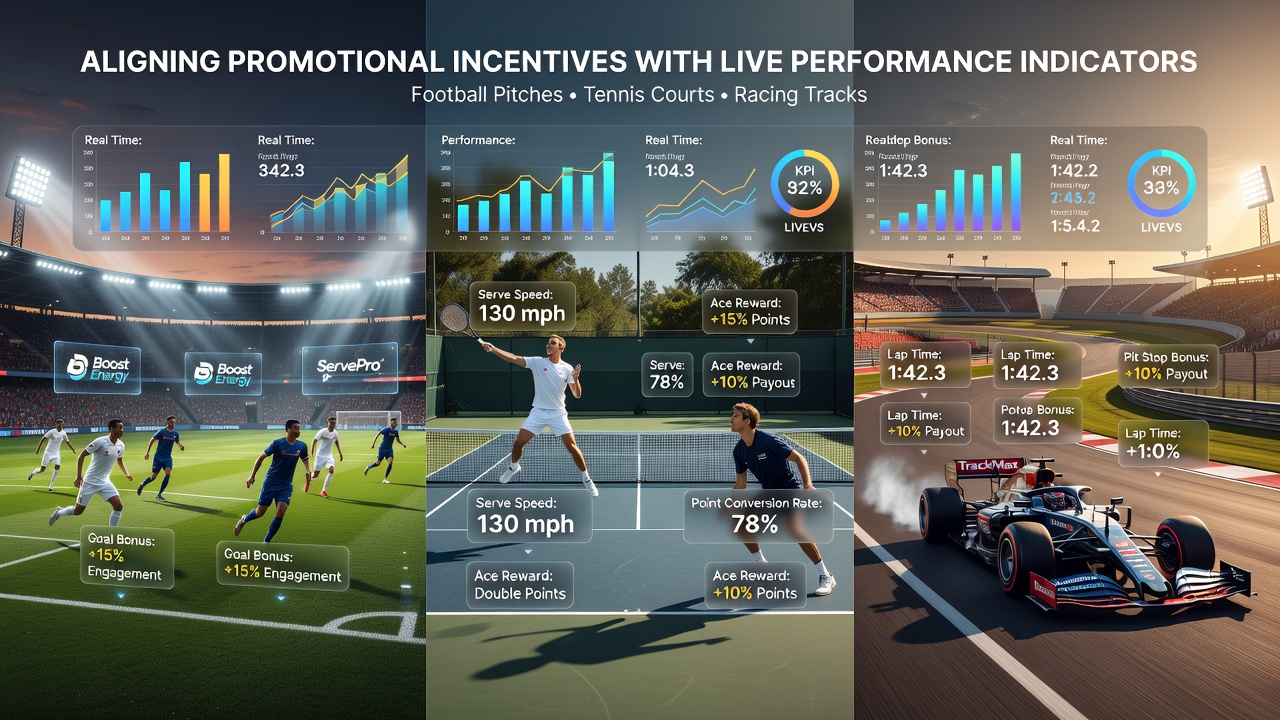
Operators have developed systems that connect promotional incentives directly to live performance indicators on football pitches, tennis courts, and racing tracks, creating structures where bonuses adjust in real time based on measurable events during matches and races. Data from multiple sports shows that these alignments rely on feeds tracking metrics such as possession percentages, serve speeds, and sectional times, with incentives like enhanced odds or cashback offers triggered when thresholds are met. In July 2026, several platforms reported increased usage of such systems during major tournaments, where live updates allowed incentives to shift within seconds of on-field developments.
Football Pitch Applications
Football operators use live data streams from pitch-side sensors to link incentives with indicators including shots on target, pass completion rates, and distance covered by players. When a team exceeds a set number of successful passes in a half, for instance, users holding specific accumulator bets may receive an automatic stake boost applied to the remaining legs. These mechanisms draw from official match data providers that update every few seconds, allowing the system to verify the trigger before releasing the incentive. Observers note that this approach reduces manual intervention while maintaining compliance with payout rules across different jurisdictions.
Tennis Court Metrics
On tennis courts, performance indicators such as first-serve percentages, break-point conversions, and rally lengths serve as the basis for aligned promotions. A player maintaining an above-average ace rate through a set can activate a loyalty multiplier for bettors who selected that outcome in a live market. The integration works because scoring systems already log these statistics automatically, feeding them into the same platforms that manage promotional wallets. Research indicates that courtside data collection has become standardized enough to support consistent incentive delivery across grand slam events and smaller tournaments alike.
Racing Track Indicators
Racing tracks supply sectional timing, stride analysis, and position updates that operators connect to incentive triggers. When a horse records a personal best time over a measured furlong segment, related promotions may unlock partial refunds or bonus credits for participants in related pools. These updates arrive through electronic timing systems installed at fixed points along the course, providing the precision required for automated verification. Figures from industry reports show that track operators have expanded sensor coverage in recent seasons, supporting more granular alignments between performance data and promotional releases.
Cross-Sport Synchronization Methods
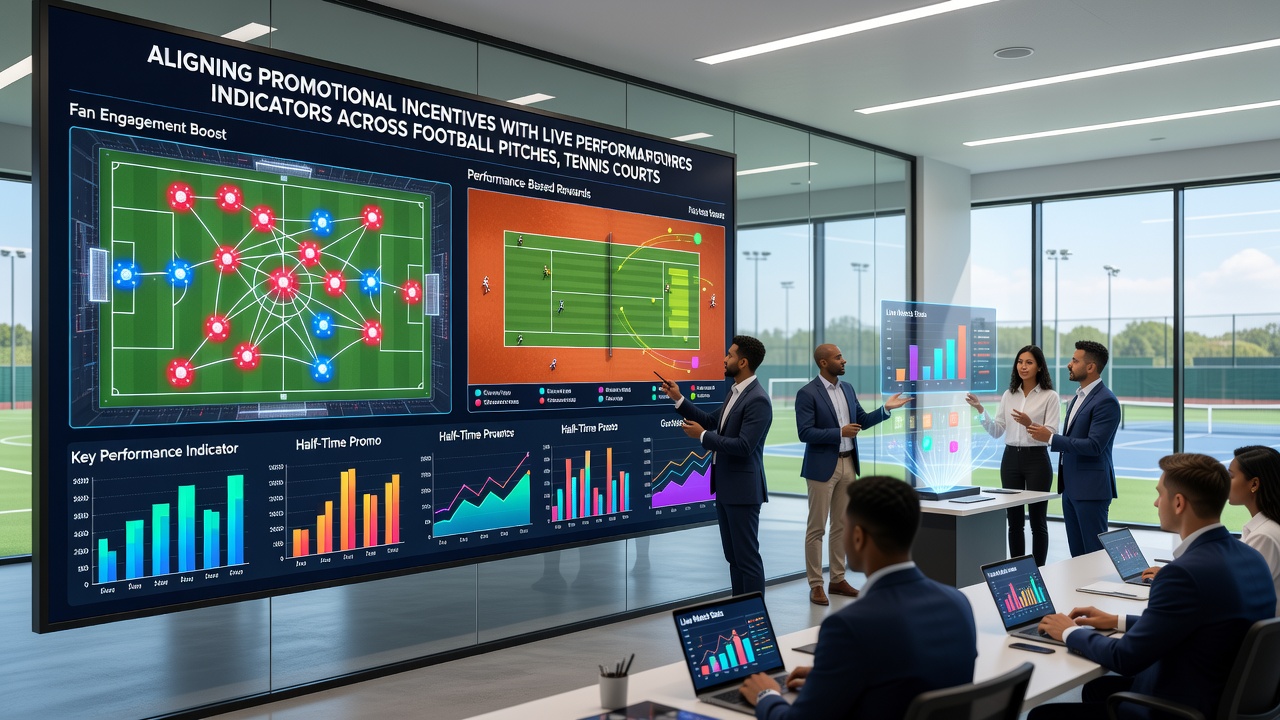
Platforms that cover multiple sports have built unified dashboards capable of monitoring indicators from pitches, courts, and tracks simultaneously. A single user account can receive incentives triggered by events in different disciplines within the same session, provided the live data feeds meet predefined criteria. This synchronization depends on standardized APIs that pull from sport-specific sources while applying common rules for incentive activation and settlement. According to data published by the American Gaming Association, operators using these multi-sport systems recorded measurable increases in engagement during periods when major events overlapped in July 2026.
One documented case involved a summer schedule where football matches, tennis tournaments, and evening race meetings ran concurrently, allowing a single promotional pool to draw triggers from all three environments without separate manual reviews. The system verified each indicator against official logs before applying the corresponding incentive, which reduced processing delays and maintained audit trails for regulatory purposes.
Technical Requirements and Data Standards
Successful alignment requires low-latency data pipelines that handle high volumes of updates without interruption. Providers maintain redundant feeds from multiple sources so that if one stream experiences a brief outage, the backup continues supplying the indicators needed for incentive decisions. Industry organizations such as the Responsible Gambling Council have published guidelines on data integrity that operators reference when designing these systems. The guidelines emphasize timestamp accuracy and source verification as essential components for ensuring that promotional triggers reflect genuine performance events rather than data anomalies.
Conclusion
Systems that align promotional incentives with live performance indicators now operate across football, tennis, and racing environments through shared technical standards and verified data sources. These frameworks support real-time adjustments based on measurable events while preserving consistent settlement processes. Continued expansion of sensor networks and API connectivity suggests further refinement of these alignments in upcoming seasons.