Data streams from the field, court, and course: building stronger parlays with real-time insights and offer comparisons

Real-time data flows from football pitches, tennis arenas, and racing tracks reshape how bettors construct parlays by syncing live metrics with betting platforms, and comparisons of welcome offers across operators reveal varying levels of access to these tools. Platforms now pull in player tracking numbers, serve speeds, and sectional times to adjust odds mid-event, which allows accumulators to incorporate updated probabilities rather than static pre-match lines.
Core data sources across disciplines
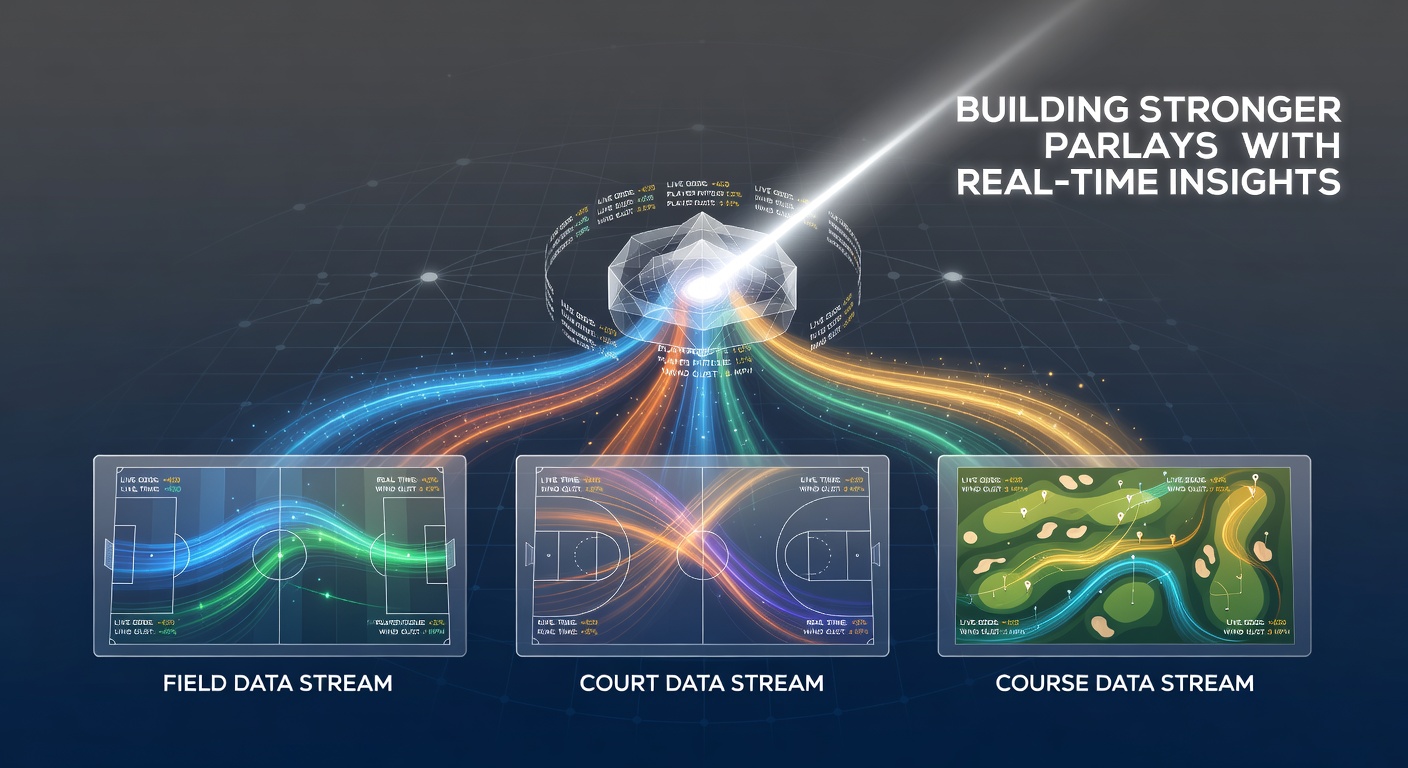
Football matches generate streams that include possession percentages, expected goals models, and injury updates that feed directly into live accumulator calculators, while tennis delivers point-by-point analytics such as first-serve win rates and break-point conversion figures that shift during sets. Horse racing courses contribute GPS-derived speed figures, pace maps, and trainer performance streaks updated after each furlong, and these elements combine in multi-sport parlays where a single live adjustment in one leg can recalibrate overall payout projections.
Operators integrate these feeds through APIs that update every few seconds, so bettors see revised odds reflecting current conditions instead of waiting for scheduled breaks. Studies from the University of Nevada's gaming research unit show that platforms using continuous data streams record higher engagement rates during live windows, particularly when users adjust stakes across linked events.
Constructing multi-leg parlays with live inputs
Bettors start by selecting core legs from different sports and then layer real-time filters that highlight value shifts, for example locking in a football over/under after a red card while monitoring a tennis tiebreak probability that moves with fatigue indicators. The process continues as horse racing data arrives post-jump, allowing the final leg to incorporate updated going conditions or pace collapses that alter finishing projections. This layered approach produces accumulators that respond to unfolding events rather than remaining fixed from the opening odds.
Platform offer comparisons and feature access
Bookmaker welcome packages differ sharply in the depth of live analytics they unlock, with some providing free access to advanced dashboards that display integrated field-court-course metrics while others restrict premium streams behind higher deposit thresholds. One operator may credit bonus funds that apply to live parlay adjustments across all three sports, whereas another limits those credits to pre-match selections only. Comparisons show that packages including dedicated data terminals often require verification steps completed within 24 hours of registration, and payout multipliers tied to accumulator success vary from 10 percent boosts on smaller stakes to tiered rewards that scale with total legs completed.
Those who review terms across multiple sites find that rollover requirements attached to sign-up offers range from three times to eight times the bonus amount, and the presence of same-game parlay restrictions can limit how freely live data streams apply to combined selections. Operators that emphasize cross-sport fusion typically advertise these capabilities in promotional materials updated ahead of major tournaments scheduled through spring 2026, and May 2026 marks a point when several platforms plan expanded API partnerships to cover additional racing circuits alongside tennis grand slams.
Integration challenges and accuracy benchmarks
Data latency remains a key variable, because delays of even three to five seconds in feed delivery can shift accumulator odds before the bettor confirms the stake. Industry reports from the Canadian Gaming Association indicate that operators investing in edge-computing nodes reduce average lag to under one second across major leagues and circuits. Accuracy benchmarks published in peer-reviewed sports analytics journals further reveal that models combining optical tracking from courts with RFID timing from courses achieve correlation rates above 92 percent with actual outcomes when refreshed continuously.
Bettors who cross-reference multiple sources mitigate single-feed errors by comparing live dashboards side by side, and this verification step becomes especially relevant during overlapping events such as afternoon football fixtures and evening racing cards. The resulting parlays incorporate consensus adjustments that smooth out isolated anomalies in any one data stream.
Conclusion
Real-time streams drawn from football fields, tennis courts, and horse racing courses supply the raw material for accumulators that adapt as events unfold, and systematic comparisons of operator offers clarify which packages deliver the broadest access to those streams without excessive restrictions. As integration standards advance toward 2026, platforms that maintain low-latency feeds and transparent bonus structures position users to build parlays grounded in current conditions rather than outdated snapshots.