Coordinating Ephemeral Market Indicators from Horse Racing, Tennis Matches, and Football Fixtures to Optimize Accumulator Structures
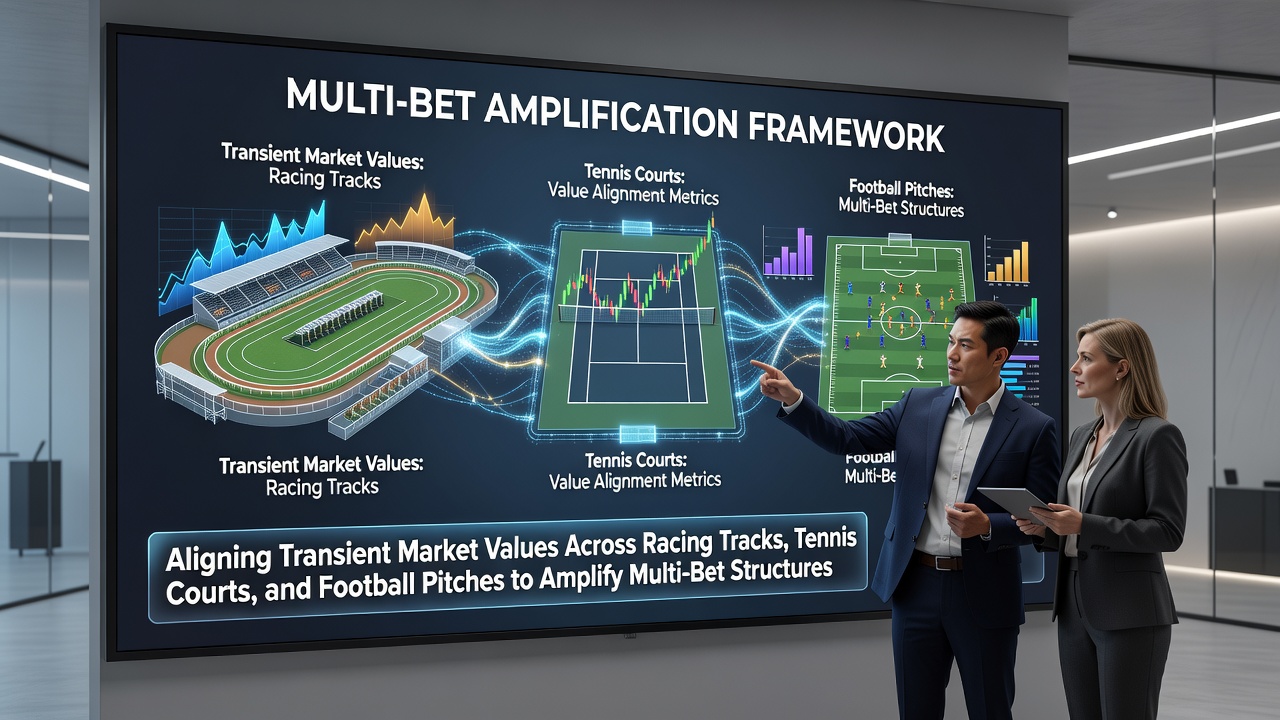
Market values in sports betting shift constantly because odds respond to new information such as player injuries, weather changes, and betting volumes; observers note that these fluctuations create opportunities when they align across different disciplines. Researchers have documented how transient indicators from equine events, racket competitions, and team matches can combine in accumulator formats, and data from industry reports shows that coordinated selections often produce compounded returns when timing matches precisely. In August 2026 several major tournaments overlapped with racing festivals, which allowed analysts to track simultaneous price movements across platforms and identify patterns where short-term dips in one sport correlated with rises in another.
Understanding Transient Indicators in Individual Markets
Horse racing markets react quickly to late scratchings and track conditions, while tennis odds adjust during sets based on momentum swings and serve percentages. Football fixtures see rapid recalibrations after red cards or goal scorers, and studies from academic sources indicate that these movements follow predictable volatility curves when measured over short intervals. Those who monitor multiple feeds simultaneously report that cross-referencing live data streams reveals windows where undervalued selections in one arena offset overvalued ones in another, thereby stabilizing the overall accumulator structure. Figures from the American Gaming Association reveal that multi-sport combinations accounted for a growing share of handle during overlapping summer schedules, with August 2026 showing particular spikes around international tennis series and premier racing meets.
Synchronizing Values Across Disciplines
Alignment begins with identifying common volatility triggers such as fatigue factors or environmental variables that affect performance metrics in parallel ways. A late-afternoon tennis match under high heat might mirror conditions at an evening race meeting, and data indicates that bettors who map these parallels can adjust stake allocations before markets fully incorporate the information. Experts have observed that software tools now aggregate feeds from disparate sources, enabling real-time comparisons that highlight when a football underdog line offers complementary risk to a tennis favorite price. One study revealed that accumulators built on synchronized entries outperformed standalone selections by measurable margins during periods of high cross-sport activity, although outcomes depend on execution speed and platform latency.

Practical Application in Accumulator Construction
Construction starts with selecting core events that share temporal proximity, then layering transient adjustments as fresh data arrives. Observers note that starting with a football match whose line moves early allows subsequent tennis and racing picks to fill gaps created by those shifts, and this sequencing reduces exposure to isolated market corrections. Research indicates that platforms offering integrated multi-sport interfaces facilitate faster alignment, and participants who use them record higher completion rates for structured accumulators during peak August calendars. Case examples from 2026 demonstrate instances where coordinated entries captured value across all three domains when initial odds diverged from consensus projections yet converged again after live updates.
Regulatory and Data Considerations
Operators must comply with jurisdiction-specific rules governing multi-bet products, and reports from the National Council on Problem Gambling emphasize transparent disclosure of odds movements to maintain market integrity. Data shows that clear labeling of transient elements helps participants understand how selections interact, and this transparency supports sustained engagement across different regulatory environments. In regions where cross-sport offerings expanded during 2026, tracking mechanisms became standard features that documented price histories and enabled post-event analysis of alignment accuracy.
Conclusion
Coordinating ephemeral market indicators across horse racing, tennis, and football requires continuous monitoring and structured selection processes that capitalize on overlapping volatility windows. Evidence from multiple sources confirms that such coordination can amplify accumulator frameworks when executed with precise timing, and ongoing developments in data aggregation continue to refine these approaches for participants seeking diversified multi-bet exposure.