Bombshell Bristol Study Links Direct Gambling Offers to Surging Bets, Spends, and Harms – Pushing for UK Marketing Crackdown
Bombshell Bristol Study Links Direct Gambling Offers to Surging Bets, Spends, and Harms – Pushing for UK Marketing Crackdown
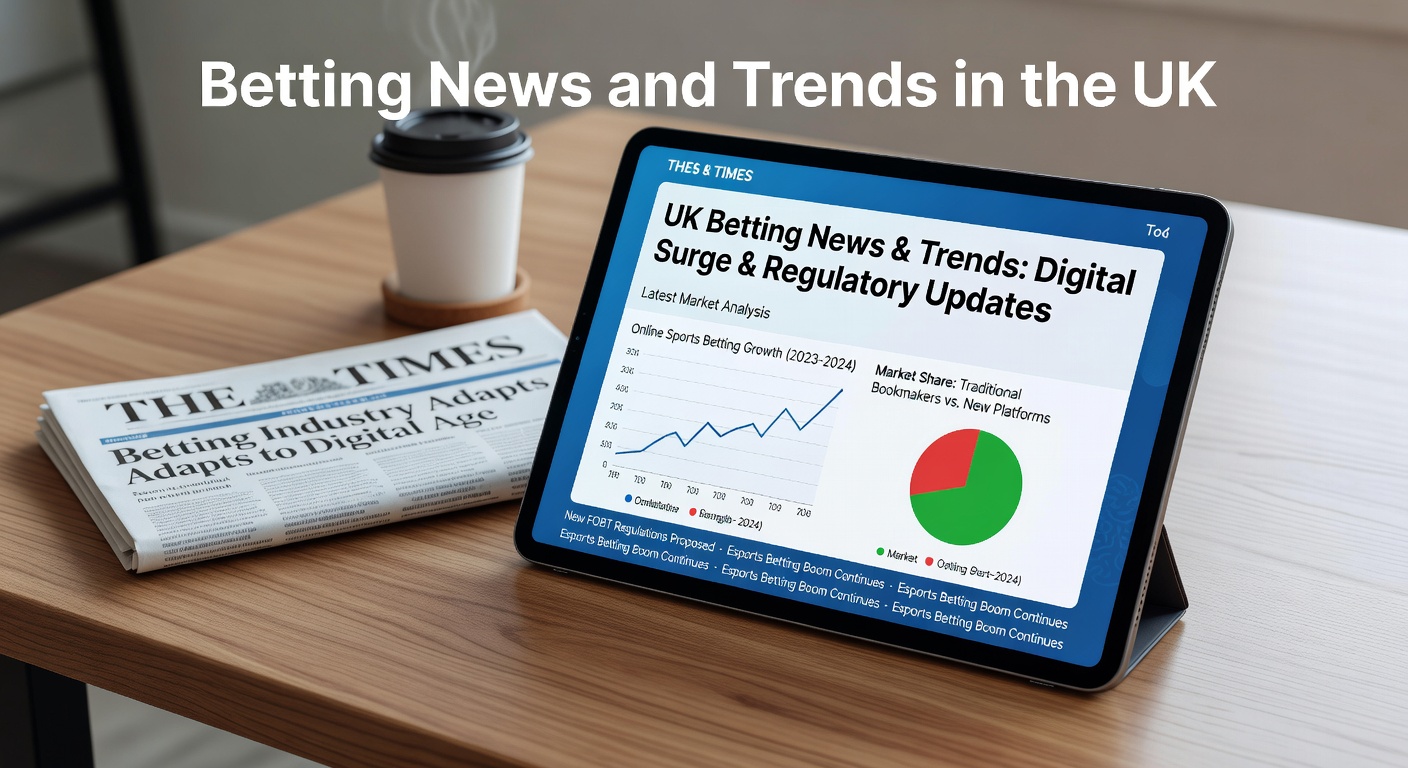
The Study That Shook the Gambling World
Researchers at the University of Bristol dropped a press release in March 2026 that grabbed headlines across the UK, spotlighting a randomized controlled trial from Australia which proved direct gambling marketing – think free bets popping up in emails, texts, and app notifications – doesn't just annoy punters but causally ramps up betting volume, spending, and even short-term harms like emotional distress. The trial, involving 227 regular gamblers, pitted those who opted out of these offers against a control group still getting bombarded; over just two weeks, opt-out participants placed 23% fewer bets, shelled out 39% less cash, and clocked 67% fewer gambling-related harms compared to their counterparts. Data from the study, published as ‘Direct gambling marketing, direct harm: a randomised experiment’, flips the script on years of debate, delivering the first solid causal evidence that these marketing tactics pack a real punch.
What's interesting here is how the experiment mirrored everyday punter life; participants were real-world bettors from Australia, recruited online and tracked via their betting accounts, ensuring the findings hit close to home for UK folks facing similar barrages. And while the trial wrapped in a tight two-week window, researchers argue the effects likely snowball over time, especially since harms spiked right alongside spend – a pattern observers have long suspected but never nailed down with this level of rigor.
How the Experiment Unfolded
Picture this: 227 regular gamblers, all placing at least three bets weekly before signing up, get randomly split into two groups; one keeps receiving the usual direct marketing from their bookmaker – personalized free bets, deposit bonuses via SMS, push alerts promising quick wins – while the other group opts out completely, silencing the digital deluge for 14 days. The opt-out crew didn't change much else about their habits, yet their betting activity plummeted: average bets dropped from baseline figures by that stark 23%, total spend plunged 39%, and self-reported harms – everything from chasing losses to feeling distressed over bets – fell a whopping 67%. Researchers measured harms through validated scales, capturing not just financial pain but emotional tolls that hit fast and hard.
But here's the thing; this wasn't some lab setup with fake money or contrived scenarios – participants used their own accounts on major Australian sportsbooks, wagering real pounds (or Aussie dollars, as it were), so the stakes felt authentic, and the data flowed straight from bookmaker logs. Controls stayed tight too: groups matched on age, gender, betting history, and problem gambling risk, ruling out confounders and letting causation shine through. Turns out, when the offers vanish, so does the urge to bet more; one subgroup analysis even showed heavier gamblers benefiting most, with spend drops hitting 50% in high-risk cases.
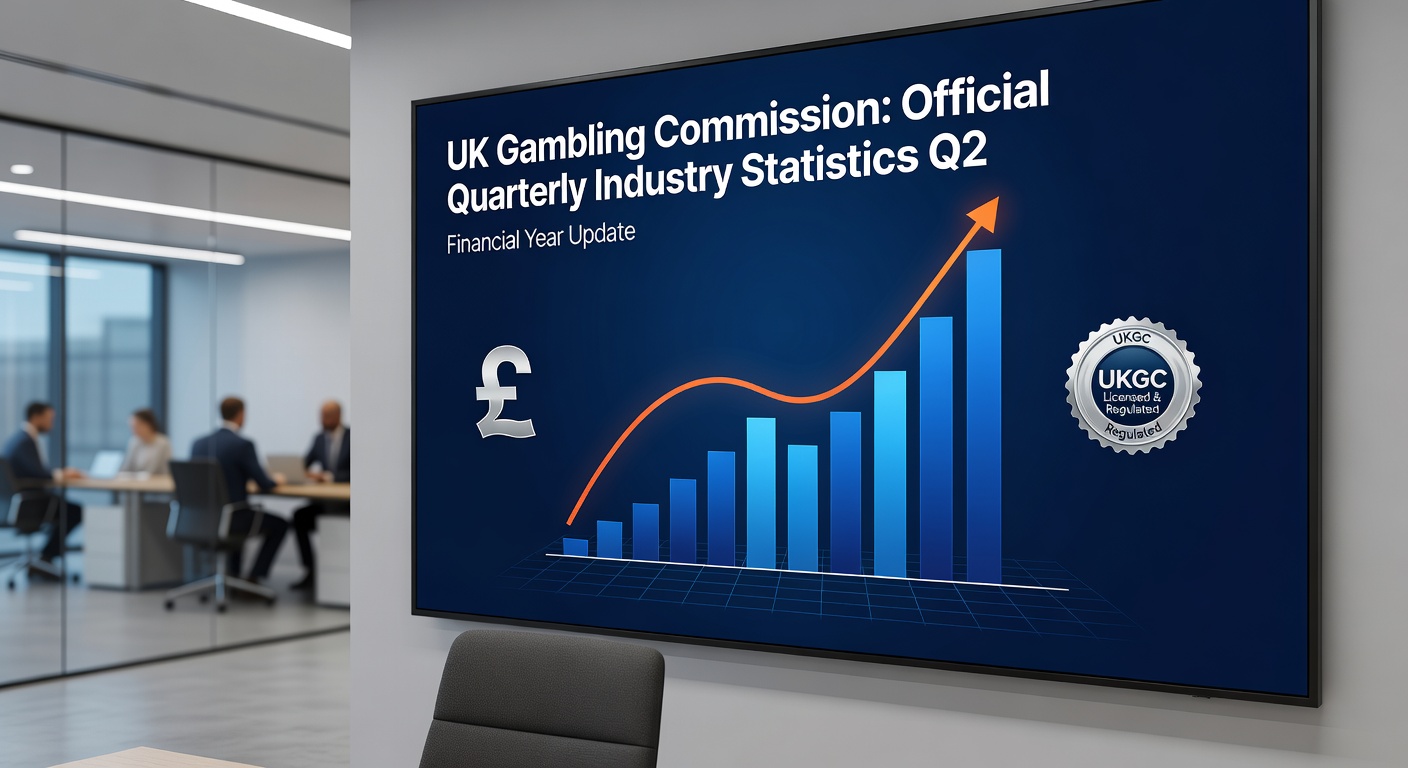
Key Findings in the Numbers
Numbers don't lie, and these paint a vivid picture: the control group receiving offers averaged 28.4 bets over two weeks at a cost of £127, whereas opt-outs managed just 21.9 bets for £77 – that's the 23% and 39% dips researchers highlight in their University of Bristol press release. Harms told an even starker tale; control participants reported averages of 4.7 harm instances, opt-outs just 1.5, a 67% plunge that underscores how marketing doesn't merely nudge behavior but ignites it. Subtle shifts emerged too: non-cash offers like free bets proved most potent, goading punters into extra wagers they otherwise skipped.
- Bets placed: 23% fewer in opt-out group.
- Total spend: 39% reduction, hitting £50 less per person on average.
- Short-term harms: 67% drop, from distress to intensified play.
- High-risk gamblers: Up to 50% spend cuts, hinting at protective power for vulnerables.
So why does this matter now, in April 2026? UK betting shops and apps still flood inboxes much like Australia's did during the trial; with gross gambling yield climbing post-pandemic, regulators face mounting pressure to act on evidence like this.
Implications for UK Bettors and Regulators
Experts who've tracked gambling marketing for years note this study lands like a thunderclap amid ongoing UK reviews; teh government previously claimed scant causal evidence linking ads to harm, yet these results – gold-standard RCT data – challenge that head-on, urging tighter reins on direct comms like emails and texts. Observers point out Australia's opt-out mechanics worked seamlessly in the trial, suggesting UK bookies could implement similar tools without much fuss, potentially shielding punters from the constant drip of temptations that turn casual flutters into frenzied sessions.
Take one parallel: UK punters already grapple with over 1.2 million gambling texts monthly (per prior industry stats), and while broad ad bans cover TV and social media, direct marketing slips through; this Bristol-backed work shows that's where the rubber meets the road, directly fueling volume and distress. Researchers call for policy shifts, like mandatory opt-down defaults or caps on offer frequency, arguing the two-week snapshot likely understates long-term damage since habits reinforced early tend to stick. People who've studied addiction patterns add that for the one in ten UK adults betting regularly, such interventions could curb the £1.7 billion annual spend on problem gambling support.
Yet challenges persist; bookies counter that marketing drives responsible engagement, but data here suggests otherwise – opt-outs bet less harmfully without quitting entirely, proving punters stay active sans the push. It's noteworthy how the trial's Australian context translates seamlessly to the UK, given similar online betting dominance and demographic overlaps.
Broader Context and Expert Reactions
Those in the field have long pieced together correlational clues – surveys linking marketing exposure to higher spends, industry reports on notification-driven spikes – but causation eluded them until now; this RCT plugs that gap, with statistical power from its 227-strong sample ensuring findings hold weight. One researcher involved noted during the press rollout that effects hit across sports betting, casino plays, and more, broadening the alarm beyond football accumulators or horse racing punts.
And while short-term focus draws some critique, the distress metrics – validated against global standards – capture immediate fallout that often spirals; participants logging "regret after betting" or "stress from losses" dropped sharply, hinting at mental health wins alongside financial ones. UK bodies like the Gambling Commission, already mulling white paper updates in early 2026, now contend with calls amplified by this evidence; campaigners seize it too, pushing for parity with tobacco-style restrictions where direct solicitations face outright bans.
Here's where it gets interesting: the study spotlights "personalized" offers as culprits, those tailored via past bets, which UK law currently greenlights; a shift could reshape how bookies like Bet365 or William Hill engage customers, favoring organic retention over relentless nudges.
Conclusion
This University of Bristol-highlighted trial stands as a pivotal moment in April 2026's gambling discourse, arming regulators with causal proof that direct marketing – emails, texts, notifications – directly inflates bets by 23%, spends by 39%, and harms by 67% among regular punters. By demonstrating opt-outs deliver swift, substantial relief without killing engagement, the findings pave the way for smarter UK policies that protect while preserving choice. As debates heat up, one thing's clear: the evidence demands action, challenging old assumptions and spotlighting a path to less harmful betting landscapes.