Atmospheric Influences on Track and Field Betting Line Movements
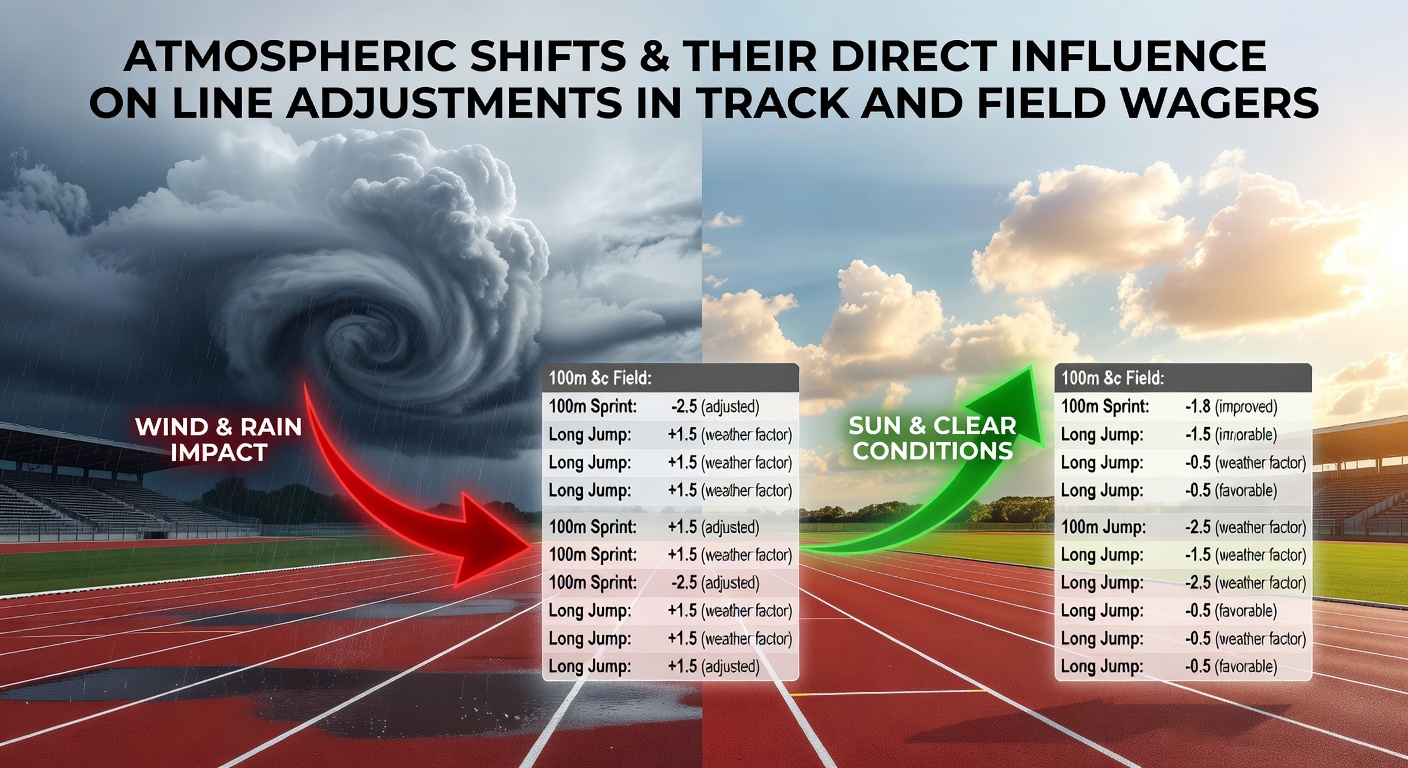
Atmospheric conditions shape performance metrics in track and field events, and betting operators respond by recalibrating lines ahead of competitions; wind speed, temperature fluctuations, humidity levels, and barometric pressure all feed into these calculations because they alter athlete output in measurable ways. Data from past meets shows that tailwinds above 2.0 meters per second can shave fractions of a second from sprint times, while headwinds produce the opposite effect, prompting oddsmakers to tighten or loosen propositions accordingly.
Wind Dynamics and Sprint Adjustments
Wind remains the most immediate variable bookmakers monitor through on-site anemometers and forecast models. When forecasts indicate consistent tailwinds during 100-meter or 200-meter heats, operators often shorten odds on favored sprinters because historical splits reveal faster average times under those conditions. Conversely, sustained headwinds above 1.5 meters per second lead to longer odds as the same athletes record slower marks. Those who follow line movements closely observe that adjustments frequently occur within 48 hours of an event once meteorological services release updated readings.
One case from the 2024 European Championships demonstrated the pattern when shifting winds forced multiple revisions to 400-meter hurdle markets. Trainers and statisticians track these patterns because the difference between legal and illegal wind readings directly affects whether a performance counts toward records or simply serves as a betting outcome.
Temperature Effects on Field Events
Temperature swings influence muscle elasticity and recovery between attempts, particularly in jumps and throws. Higher ambient heat allows greater range of motion yet increases fatigue risk over multiple rounds, while cooler conditions can stiffen tissues and reduce explosive power. Betting platforms incorporate temperature projections into their models for long jump, triple jump, and discus markets because research from sports physiology labs shows measurable drops in distance when temperatures fall below 18 degrees Celsius.
Operators widen or narrow spreads on distance marks once venue forecasts stabilize, and June 2026 schedules for major European meets already list temperature thresholds that trigger automatic line reviews. Observers note that field event totals move more dramatically than track events when heat indices climb, since throwers and jumpers rely on precise neuromuscular timing that degrades faster under thermal stress.
Humidity, Pressure, and Endurance Considerations
Humidity affects respiratory efficiency during middle-distance and distance races, while barometric pressure changes at altitude alter oxygen availability. Venues situated above 1,000 meters see consistent line shifts because thinner air reduces times in events longer than 800 meters yet boosts performances in speed disciplines. Betting syndicates cross-reference altitude databases with real-time pressure readings to anticipate these swings.
Studies published through the American College of Sports Medicine confirm that relative humidity above 70 percent correlates with elevated core temperatures and slower pacing strategies. Markets on 5,000-meter and 10,000-meter outcomes therefore reflect these variables once local weather services publish hourly updates. Operators in North America and Australia apply similar protocols, drawing on regional meteorological networks rather than centralized sources.
Operational Response from Betting Markets
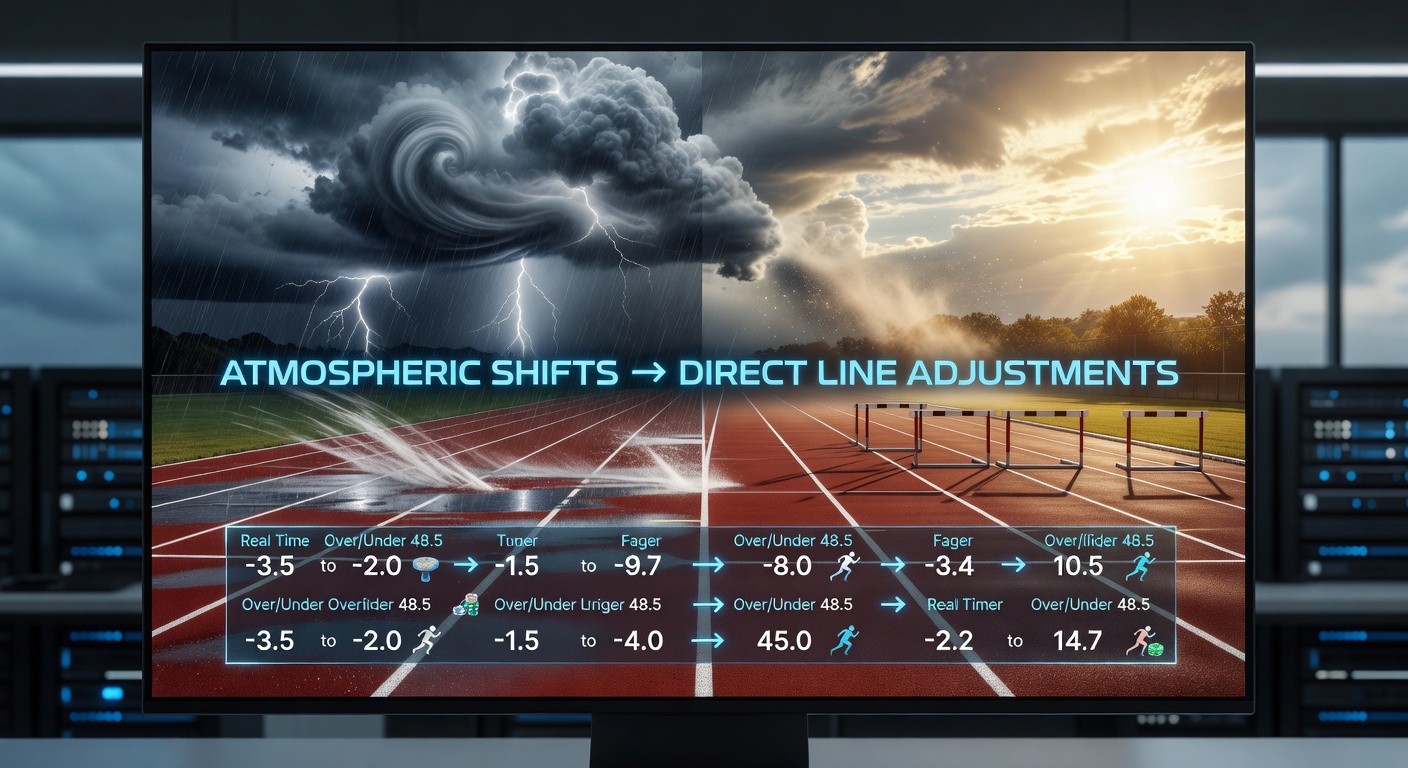
Bookmakers employ automated systems that ingest weather APIs and adjust odds within minutes of significant forecast revisions. When a sudden cold front arrives or wind direction reverses overnight, live lines on combined event totals or individual medal matchups move accordingly. These rapid updates protect margins while reflecting the latest performance expectations derived from environmental data.
Regulatory frameworks in several jurisdictions require transparent disclosure of factors influencing line changes, yet atmospheric inputs rarely trigger additional scrutiny because they qualify as standard performance variables. Industry reports from organizations such as the World Athletics technical committee outline measurement standards that betting operators reference when calibrating their models.
Future Monitoring Trends
By June 2026 several major circuits plan to integrate hyperlocal sensor arrays directly into venue data feeds, allowing even tighter synchronization between atmospheric readings and betting lines. This development builds on existing partnerships between timing companies and meteorological providers that already supply granular wind and temperature data at sub-second intervals. The result appears in narrower windows for pre-event line locks and more frequent intrarace adjustments during longer competitions.
Conclusion
Atmospheric shifts continue to drive precise recalibrations across track and field wagering markets because performance data ties directly to measurable environmental conditions. Wind, temperature, humidity, and pressure each produce documented effects that operators translate into updated odds, spreads, and totals. As sensor technology advances and forecast accuracy improves, line movements tied to these variables will likely become more frequent and granular while remaining grounded in verifiable performance statistics.